As an Amazon Associate I earn from qualifying purchases.
Updated November 2026
A motorcycle chain lubrication tool, whether it’s a clip-on applicator, a spray-can wand or a dedicated dispenser, gets chain lube onto the rollers and side plates where it belongs instead of flinging it onto your rear tire and swingarm. In this guide you’ll learn what these tools do, how to pick one that fits your bike and riding, and the exact steps to lube and wipe your chain so it lasts longer and runs quieter. Plan on about 15 to 20 minutes once you’ve got the routine down.
Why a Lubrication Tool Beats Freehand Spraying
Most chain wear comes from grit getting between the pins and bushings, and from lube that never reaches the inner rollers. Spraying freehand with a can usually puts most of the product on the outside of the chain, where centrifugal force slings it off in the first few miles. A tool that holds the spray nozzle at a consistent distance and angle lets you target the inside run of the chain, which is where the rollers and O-rings (on sealed chains) do their work.
A tool also helps you be consistent. You can apply the same amount to each link, rotate the wheel in measured increments and avoid soaking the rear sprocket or brake components.
Types of Motorcycle Chain Lubrication Tools
Here’s how the common options differ in use:
- Clip-on or trigger applicators: A bottle or aerosol nozzle mounts on a short arm that holds the tip a fixed distance from the chain. Good for quick, repeatable coverage.
- Long-wand spray nozzles: A flexible or extended tube lets you reach the inside run of the chain without removing the rear wheel. Useful on bikes with tight swingarm clearance.
- Brush or dauber applicators: Work well for heavier, paste-type lubes and for cleaning off excess after application.
- Dispensing bottles with fine tips: Simple, inexpensive and effective when you control the flow yourself. Best for riders who already know their bike’s chain clearances.
Many riders keep one tool for lubing and a separate stiff brush for cleaning, rather than trying to make one device do both.
Choosing the Right Tool for Your Bike and Chain Type
Before you buy any applicator, check three things.
- Chain type. Standard (non-sealed) chains need a thinner lube that penetrates the rollers. O-ring and X-ring chains need a lube formulated to be safe on rubber seals, so verify the lube’s compatibility statement before using a tool with it.
- Swingarm and wheel clearance. Measure the gap between the chain’s inner run and the swingarm or sprocket cover. A narrow gap favors a slim wand; a wide gap lets you use a standard clip-on.
- Riding conditions. Dusty or wet riding calls for a thicker, tackier lube that resists washing off, and for applying it more often. Dry, short-run riding can use a lighter product applied less frequently.
Manufacturers specify chain lube types and intervals in the owner’s manual. Use that as your baseline, then adjust based on how and where you ride.
Step-by-Step: Lubing Your Chain With a Tool
Gather What You Need
- Motorcycle chain lubrication tool (applicator or nozzle matched to the lube)
- Chain-compatible lubricant (check O-ring or X-ring compatibility)
- Chain cleaner or a cleaning solvent designed for chains
- Stiff nylon brush and a few clean rags
- Center stand or paddock stand, plus a way to turn the rear wheel
- Nitrile gloves and eye protection
Clean the Chain First
Lube applied over grit makes a grinding paste. Set the bike on a stand so the rear wheel is off the ground, shift to neutral, and spray chain cleaner on the lower run. Scrub with the brush while rotating the wheel slowly, then wipe the chain dry with a rag. Repeat until the rag comes away clean. Keep cleaner off the O-rings if your chain is sealed, and use only products the chain maker and your lube maker allow.
Set Up the Tool
Fit the applicator to the lube bottle or can and check that the nozzle sits about 1/4 to 1/2 inch from the chain’s inner rollers. Test-spray onto a rag to confirm a steady, fine mist or stream. Clogged nozzles cause uneven coverage, so clear them before you start.
Apply the Lube
- Keep the wheel off the ground and turn it slowly backward by hand, or in gear with the bike on the stand (engine off, rear brake not applied).
- Target the inner run of the chain, where the rollers contact the sprocket teeth.
- Apply a light, continuous coat to each section. Pause briefly at each sprocket tooth so lube penetrates between the rollers.
- Cover the full loop once. A second pass is optional for dusty riding.
Let It Work, Then Wipe Off Excess
Wait about 10 to 15 minutes so the lube can soak into the rollers. Then wipe the outer faces and side plates with a clean rag so you’re not leaving sticky residue that picks up dirt. A small amount of visible film is normal; a heavy wet coat is not.
Check Your Work
Spin the wheel and listen. The chain should sound smooth and quiet, not dry or clicky. Check the chain’s free play against the owner’s manual specification, and make sure the lube hasn’t landed on the rear brake disc or tire.
Common Mistakes to Avoid
- Lubing a dirty chain. Always clean first, or you’re just building grinding paste.
- Over-applying. Excess lube attracts grit and flings onto the tire and brake parts.
- Using the wrong lube on sealed chains. Some solvents and lubes can degrade O-rings over time.
- Skipping the wipe-down. Leftover residue turns into a dirt magnet.
- Ignoring tension and wear. A tool can’t fix a stretched or damaged chain. Measure slack and inspect sprockets when you lube.
- Spraying with the engine running or in gear with the wheel spinning. Keep hands and clothing clear of moving parts at all times.
Tips for Better Chain Care
- Lube every 300 to 500 miles under normal riding, and more often after rain or dusty rides.
- Keep a small brush and clean rags in your saddlebag for quick roadside wipe-downs.
- Log your lube and adjustment intervals so you can spot trends in wear.
- Replace the chain and sprockets as a set when wear limits are reached, since a worn sprocket will shred a new chain.
Recommended gear
A few supplies make chain service easier and more consistent:
- Clip-on chain lube applicator for even, targeted coverage on the inner run. View on Amazon
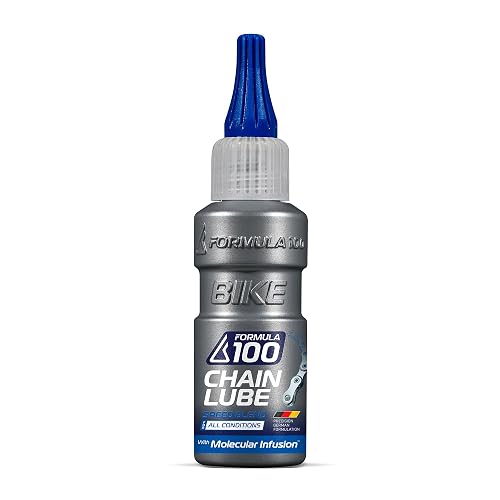
- Sealed-chain-safe chain lube formulated for O-ring or X-ring chains, which helps protect the seals. View on Amazon
- Non-residue chain cleaner to strip old grime without drying out the rollers. View on Amazon
- Stiff nylon chain brush for working cleaner into the links and between the sprocket teeth. View on Amazon
If you’re building out a full maintenance kit, you may also want to review protection and accessory options. For example, our 6 Best Crash Protection Accessories for Motorcycles: Top 6 Picks Compared guide covers gear that complements a routine service setup, and if you ride with a headset, 5 Best Helmet Communication Systems for Motorcycle Riders (2026) is a good companion read for planning longer rides.
FAQ
How often should I lube my motorcycle chain?
Under normal conditions, most riders lube every 300 to 500 miles. Wet, sandy or dusty riding calls for more frequent service. Your owner’s manual gives the manufacturer’s recommended interval.
Can I use any chain lube with a lubrication tool?
No. Confirm that the lube is compatible with your chain type, especially O-ring and X-ring chains. The tool only controls where the lube goes; the product itself determines chain safety.
Should I lube the chain with the engine running?
No. Turn the engine off, put the bike on a stand, and keep hands and clothing away from the chain and sprockets while the wheel turns.
How long should I wait before riding after lubing?
Give the lube about 10 to 15 minutes to soak in, and wipe off excess before riding. This keeps lube from slinging onto the tire and brake parts.
Is a clip-on applicator better than spraying by hand?
For most riders, yes. A clip-on or wand holds the nozzle at a steady distance and angle, which helps lube reach the inner rollers instead of landing on the outside of the chain.
How do I know if my chain needs replacing instead of more lube?
Measure chain stretch against the wear limit in your owner’s manual, and inspect the sprocket teeth for hooking or sharp edges. If either is past spec, replacing the chain and sprockets together is the correct fix; lube alone won’t restore worn parts.
Should I consult a professional about chain service?
If you’re unsure about chain tension, sprocket wear or whether your chain is sealed, a qualified motorcycle technician can measure and inspect it for you. Consult a professional before making major drivetrain changes.
Conclusion
A motorcycle chain lubrication tool puts lube where your chain needs it, which means longer chain life, quieter running and less mess on your wheel and brakes. Clean the chain first, apply a measured coat to the inner run, let it soak, and wipe off the excess. Stick to a regular interval, matched to how you ride, and your drivetrain will reward you.