As an Amazon Associate I earn from qualifying purchases.
Updated November 2026
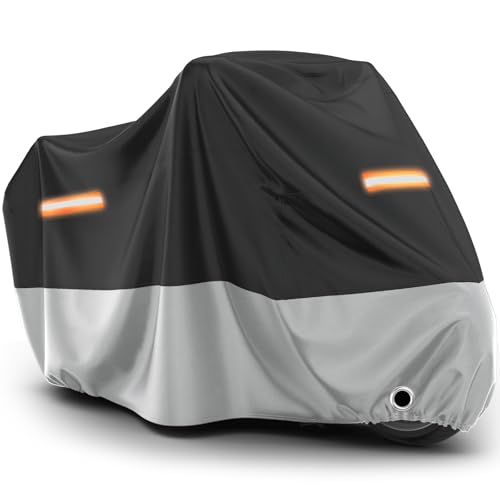
A motorcycle cover in West Fairacres is only as good as its fit, its material and how you secure it. In this guide you will learn how to measure your bike, choose a fabric that suits local weather, fit the cover without scratching paint, and avoid the mistakes that cause most cover damage. By the end, you will have a clear checklist for buying and using a cover that keeps your motorcycle clean and dry between rides.
Why a Motorcycle Cover Matters for Storage
A cover does more than keep dust off the seat. It shields chrome, paint and plastics from UV exposure, blocks rain and road grime from settling into crevices, and reduces the chance that leaves, bird droppings or tree sap bond to the finish. For a bike parked outdoors in a driveway or carport, a cover is often the cheapest protection you can add. For a garage bike, it still helps by limiting dust and accidental bumps from tools or bicycles.
Owners often report that the biggest benefit is not the cover itself but the habit it encourages: wiping the bike down before storing it, which removes the grit that causes fine scratches when the cover is pulled on and off. If you want more background, see Wind Rider Motorcycle Seat Cover: Fit, Use and Buying Tips for Riders.
Step 1: Measure and Match Your Motorcycle
Most cover sizing is based on bike category rather than exact model. Before you shop, measure your motorcycle from the front axle to the rear-most point of the tail or luggage, and measure the height from the ground to the highest point, usually the windscreen or mirrors. Note the width across the handlebars or mirrors as well.
Compare those numbers against the manufacturer’s size chart, not just the bike’s displayed category. A touring bike with hard bags, a fairing and a tall windscreen needs a noticeably longer and taller cover than a naked standard of similar displacement.
Common measurements to record
- Overall length, front axle to rear tail or top box
- Overall height, ground to highest point
- Handlebar or mirror width
- Whether you run hard saddlebags, a top box or a crash bar
Step 2: Choose the Right Cover Material
The material determines breathability, UV resistance and how the cover handles moisture. Pick based on how and where you store the bike.
| Material type | Best use | Things to watch |
|---|---|---|
| Polyester with UV coating | Outdoor storage in sun and light rain | Can trap moisture if not allowed to dry |
| Multi-layer breathable fabric | Humid climates and long outdoor storage | Usually heavier and bulkier to fold |
| Lightweight indoor cover | Garage or shed storage | Not built for rain or heavy UV |
| Waterproof-only vinyl or PVC | Short-term rain protection | Poor breathability can cause condensation and paint staining |
Look for a soft inner lining if the cover will touch painted surfaces, and check that the seams are double-stitched or taped. Manufacturers typically specify which fabrics are breathable, so read the product description carefully rather than relying on marketing terms alone.
Step 3: Plan Your Securing Method
Wind is the most common reason a cover ends up on the ground or flapping loose. A good cover will have some combination of elastic hems, underbody straps, and a lockable or cable-based anchor point.
- Park on level ground, preferably away from direct wind channels.
- Place the cover over the bike with the front opening facing forward.
- Pull the elastic hems snug beneath the wheels and the engine guards.
- Buckle the underbody strap around the frame, avoiding exhaust pipes that heat up.
- Run a cable or lock through the cover’s anchor loop and secure it to a fixed object if you park outdoors.
Step 4: Fit the Cover Without Damaging the Finish
Scratches usually come from grit trapped under the cover, not from the cover itself. Wash and dry the bike thoroughly before covering it, and lay the cover over the seat first, then pull it forward and back, rather than dragging it across the tank or fairing.
Keep the cover off the bike while it is still wet. Trapped moisture is the main cause of water spotting, mildew and corrosion on chrome. If you must cover a damp bike, remove the cover within a day and let everything air out.
Pre-cover checklist
- Bike washed and fully dry, including under the seat and around the exhaust
- Fuel stabilizer added if storing for a longer period
- Tires at proper pressure and the stand on firm ground
- Cover inspected for tears, loose stitching and debris
Step 5: Maintain the Cover
A cover needs periodic care to keep its protective properties. Rinse off road salt or bird droppings as soon as you notice them, and clean the cover with a mild soap and water solution every few months. Let it air dry completely before folding, and store it in a dry spot. Manufacturers generally advise against using harsh solvents or machine washing, since these can strip UV coatings and weaken seams.
Common Mistakes to Avoid
- Buying by category instead of measurements. A cover that is a few inches too short will not seal around the rear and will flap.
- Covering a wet bike. Moisture gets trapped and causes spotting and rust on fasteners.
- Skipping the underbody strap. Even a well-fitting cover can blow off in a gust.
- Leaving the cover on indefinitely in hot sun. Trapped heat can soften some plastics and fade seat covers.
- Dragging the cover across paint. Grit trapped underneath is the most common cause of fine scratches.
Tips for Winter and Wet-Weather Storage
If you ride in cold months and park outside, use a breathable cover rather than a plastic tarp, which holds condensation against the paint. Keep the battery on a maintainer or disconnect it, and check the cover after heavy snow or rain to make sure water has not pooled in a fold. Riders touring through varied conditions may also find our guide on crash protection useful when deciding what to keep on the bike between trips.
For riders who want to stay in touch on the road, a communication system does not replace a cover, but the same attention to fit and mounting applies. See 5 Best Helmet Communication Systems for Motorcycle Riders (2026) for a rundown of options worth considering.
Recommended gear
A few supplies make cover use easier and protect the bike more effectively.
- Microfiber drying towel: Removes water and grit before covering, reducing the chance of fine scratches. View on Amazon
- Fabric-safe motorcycle wash: A pH-neutral wash that cleans without stripping wax or dulling paint. View on Amazon
- Cable lock with a looped anchor: Lets you secure the cover to a fixed point on windy days. View on Amazon
For protection beyond storage, see 6 Best Crash Protection Accessories for Motorcycles: Top 6 Picks Compared.
FAQ
Is a motorcycle cover better than a garage?
A garage is the best option when space allows, because it blocks UV, rain and most debris. A cover is a strong second choice for outdoor storage and still protects against dust, light rain and sun.
Can I leave a cover on a bike all winter?
You can, provided the bike is clean and dry before covering and the cover is breathable. Check periodically for condensation, and remove the cover during thaw cycles if moisture builds up.
Will a cover scratch my paint?
A clean cover on a clean bike rarely scratches. Scratches usually come from grit trapped underneath or from dragging the cover across the surface.
Should I use a plastic tarp instead?
Plastic traps moisture and can cause paint staining and corrosion. Breathable fabric covers are a better choice for most riders.
How do I know what size cover to buy?
Measure your bike’s length, height and width, including any luggage or windscreen, and compare those numbers against the manufacturer’s size chart.
How often should I wash the cover?
Wipe off debris as needed and clean the cover every few months, or sooner if it picks up salt, mud or bird droppings.
Can I use the cover while the bike is still warm from riding?
It is better to let the engine and exhaust cool first. Covering a hot exhaust can damage the cover and create a fire risk if the material touches hot metal.
Who should I ask about local storage options?
For advice on storage facilities or local conditions in West Fairacres, check with your dealer or a local motorcycle service shop, and confirm current availability and details directly with them before making plans.
Conclusion
A good motorcycle cover for West Fairacres comes down to three decisions: measure your bike accurately, choose a material that suits your storage setup, and secure it properly. Clean and dry the bike before covering, and maintain the cover so it keeps working season after season. Get those basics right and your motorcycle will stay cleaner, drier and better protected between rides.